Esta guía está escrita en inglés y francés. Estás leyendo la versión en inglés.
Meknès is one of Morocco's four imperial cities, and it owes its present look to Sultan Moulay Ismail, who ruled from 1672 to 1727 and made it his capital. He built miles of ramparts, huge gates, granaries and stables, and the walls still define the old town. UNESCO listed the historic city in 1996.
Compared with Fès and Marrakech, Meknès is calmer, with fewer crowds and a more local rhythm. It sits in a fertile area of olive groves and vineyards at the foot of the Middle Atlas, and it makes a good base for the Roman ruins of Volubilis and the holy town of Moulay Idriss Zerhoun.
Best time to visit
Spring and autumn are the most comfortable seasons. Summers are hot and dry. Winters can be cool and wet, and the Middle Atlas nearby sees snow in some years.
Autumn is also the season of the grape and olive harvests in the surrounding countryside, which adds interest to a trip in the region.
Getting there and around
Meknès has a train station in the new town, El Amir Abdelkader, on the line between Fès and Rabat, so it is easy to reach from Casablanca, Rabat, Tangier or Fès. Buses and shared taxis cover local routes. The nearest airport is at Fès.
The old town (the medina) and the imperial city (the Ville Impériale) sit on one side of a valley, with the new town, Hamria, on the other. A petit taxi is the easiest way to cross between them. The medina and the central square are walkable.
Neighbourhoods
The Medina
A walled old town of souks, mosques and houses, with a calmer atmosphere than Fès. The main entrance is around Place el-Hedim.
Place el-Hedim
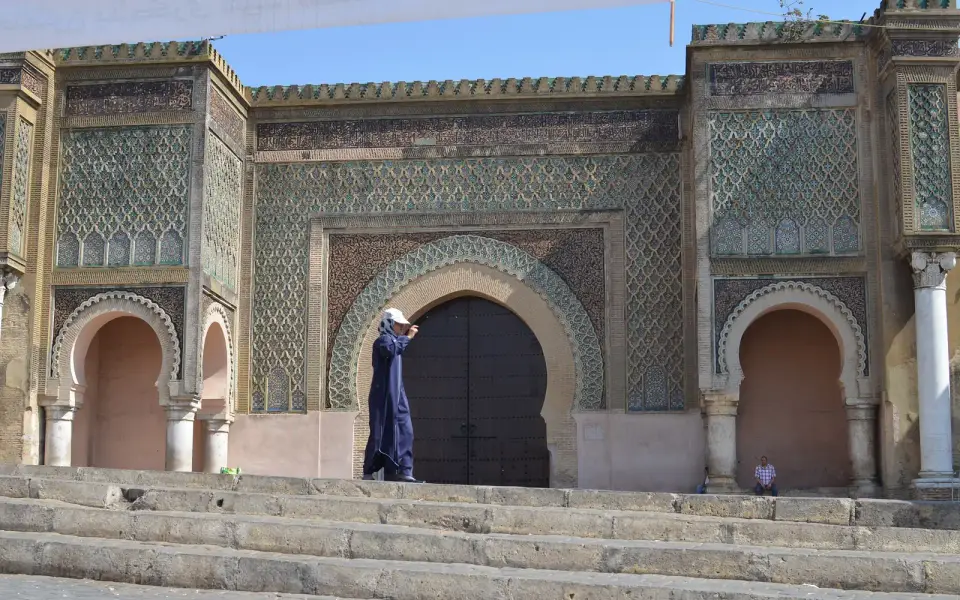
The large square facing Bab Mansour, with cafés and street performers, and a good starting point.
The Imperial City
The royal quarter of Moulay Ismail, a network of walls, gates, gardens and stable complexes.
The Mellah
The former Jewish quarter, with a distinctive style of balconies and a good local market.
Hamria and the new town
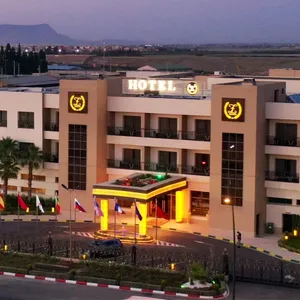
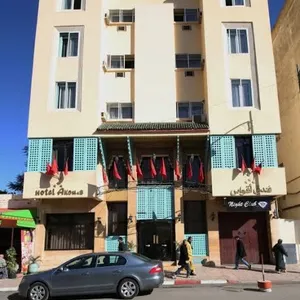
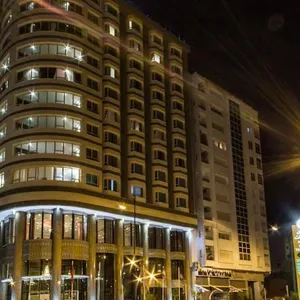
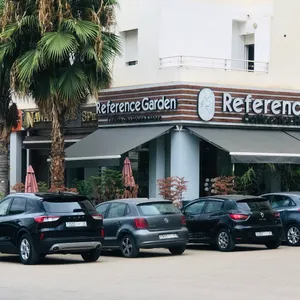
The French-built district with train station, hotels, cafés and shops. It is practical but less atmospheric.
Top things to do
Bab Mansour
The monumental gate on Place el-Hedim, decorated with zellige tile and marble columns, often described as one of the most beautiful gates in the country.
Mausoleum of Moulay Ismail
The tomb of the sultan, one of the few religious sites in Morocco that visitors of any faith can usually enter.
Heri es-Souani and the Agdal basin
The enormous granaries and stables built by Moulay Ismail, and a big water reservoir used to irrigate gardens and supply the city.
Bou Inania Madrasa
A 14th-century Marinid school with carved wood, plasterwork and a courtyard.
Dar Jamai Museum
A 19th-century palace now housing a museum of Moroccan crafts, with a garden.
Souks of the medina
Walk through the covered markets where artisans produce embroidery, metalwork and leatherwork.
Volubilis
The best-preserved Roman site in Morocco, about 30 km north, with mosaics, a triumphal arch and the remains of a basilica. UNESCO listed it in 1997.
Moulay Idriss Zerhoun
A hilltop holy town beside Volubilis, named after the founder of Morocco's first Arab dynasty. It has narrow lanes and a view over the valley.
Food to try
Olives
The region is a centre of olive growing, and the stalls in the medina sell olives in a dozen varieties.
Meknès wines
The vineyards of the Meknès area are one of Morocco's main wine regions. Tastings can be arranged in the countryside, depending on the estate.
Tagine and couscous
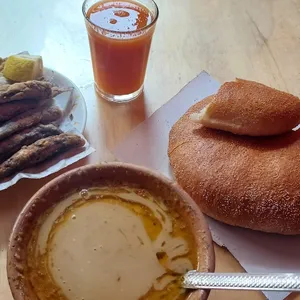
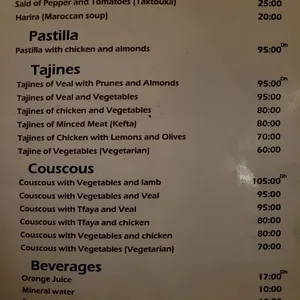
Both are on every menu. Look for tagines with preserved lemon and olives.
Mechoui and grilled meat
Slow-roasted lamb or kebabs from stalls and small restaurants.
Pastries and mint tea
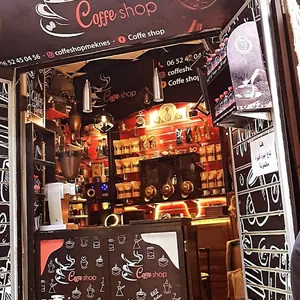
A glass of tea and a sweet pastry in one of the cafés around Place el-Hedim.
Itinerary
One day
Start at Bab Mansour and Place el-Hedim, walk through the Imperial City to the mausoleum of Moulay Ismail, then spend the afternoon in the medina and its madrasa.
Two days
Add the Heri es-Souani granaries, the Dar Jamai Museum, and a trip to Volubilis and Moulay Idriss in the morning.
Three days
Take a day trip to Fès by train, or spend time in the vineyards or the Middle Atlas around Azrou and Ifrane.
Practical tips
Meknès is often visited as a day trip from Fès. If you stay overnight, you will get a quieter evening in the medina after the day visitors leave.
To reach Volubilis, most visitors take a taxi or a tour, since public transport is limited. Bring a hat and water, as there is little shade on the site.
Monuments keep their own opening days, which can change. Check before you go, particularly for the mausoleum and the museums.