Esta guía está escrita en inglés y francés. Estás leyendo la versión en inglés.
Essaouira is a small walled town on the Atlantic coast, and a refreshing change after the intensity of Marrakech. The Portuguese built a fort here in the 16th century, and the medina you walk through today was laid out in the 18th century by Sultan Mohammed ben Abdallah, on a more regular grid than the older imperial cities. UNESCO listed it in 2001.
Wind defines the place. The trade winds blow most of the year, which keeps the weather cool, shapes the beach and makes the area a centre for kitesurfing and windsurfing. The town is compact and easy to walk, with a working fishing port, a sizeable arts scene and craft workshops that specialise in thuya wood and argan products.
Best time to visit
Essaouira is pleasant for much of the year, and the sea wind keeps summers far cooler than inland Marrakech. Spring and early autumn are the easiest months for walking. The wind is strongest in summer, which is good for water sports but can make beach days breezy and sandy.
Winters are mild but can be wet and grey. The Gnaoua World Music Festival, devoted to Gnaoua spiritual music and its collaborations with other genres, usually takes place in June and brings many visitors, so book accommodation well in advance if you plan to come then.
Getting there and around
Essaouira-Mogador airport has a limited number of flights. Most visitors arrive by road from Marrakech, either by bus or by shared taxi, and the journey takes a few hours. There is no railway to Essaouira. From Agadir the coastal road is the main option.
Cars are not allowed in most of the medina, and the town is small enough to walk end to end in less than half an hour. You will probably only use a taxi to get to the airport or the beaches south of the town.
Neighbourhoods
The Medina
A grid of narrow streets inside the ramparts, with Place Moulay Hassan near the harbour. It is easier to navigate than most Moroccan medinas.
The Port
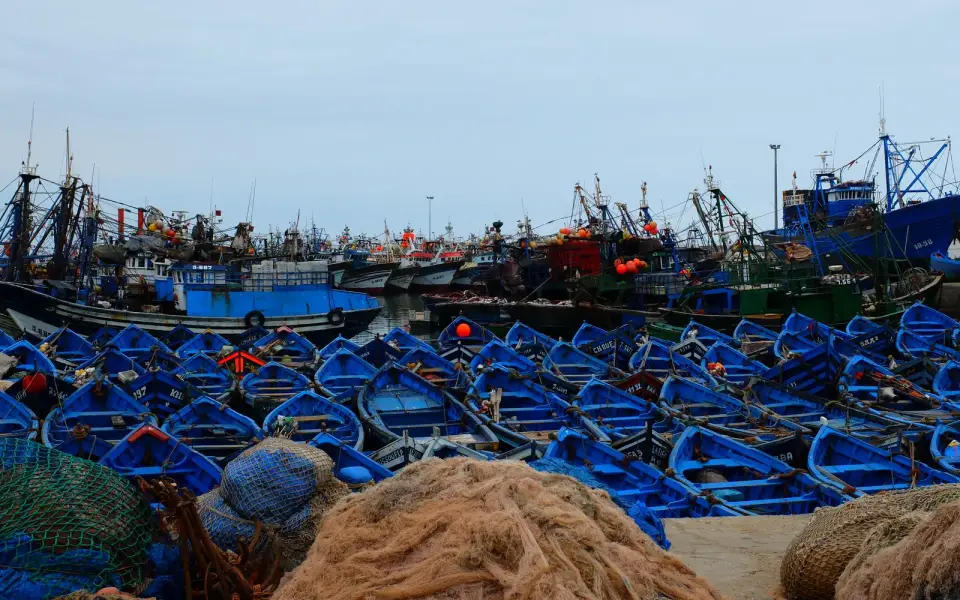
The fishing harbour below the northern ramparts, with blue boats, nets, and stalls where the day's catch is grilled to order.
The Mellah
The former Jewish quarter, with its own streets and a synagogue. The old Jewish community was an important part of the town's trading history.
The beach and the bay
A long sandy beach, windy and popular for kitesurfing, runs south of the medina.
Diabat and Sidi Kaouki
Villages south of town, known for surfing, riding and quieter stays.
Top things to do
Skala de la Ville
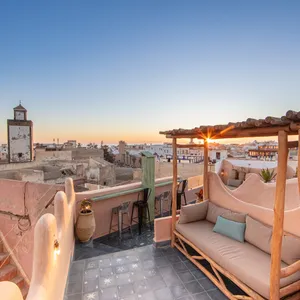
The sea bastion on the western ramparts, with old cannons aimed at the Atlantic. It is a good spot at sunset.
Skala du Port
The harbour fortification, from which you can look down on the fishing boats and the islands offshore.
Place Moulay Hassan
The open square near the port, lined with cafés, and a natural meeting place for the town.
Craft workshops
Essaouira is known for thuya wood marquetry. You can watch carvers at work in small workshops along the lanes.
Argan cooperatives
Women's cooperatives around Essaouira produce argan oil. Some welcome visitors to see how the nuts are cracked and pressed.
The Île de Mogador
The island offshore, a protected bird area, can be seen from the ramparts and the beach.
Kitesurfing and windsurfing
Schools along the beach offer lessons for beginners and rentals for experienced riders.
A walk on the beach
At low tide, the beach south of the medina is a flat, open place to walk, especially in the morning.
Food to try
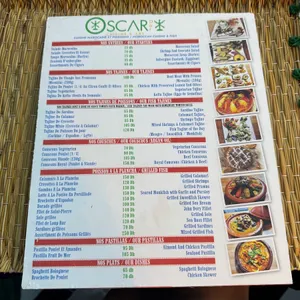
Grilled fish at the port
Choose from the day's catch at the stalls on the quay, pay by weight, and have it grilled while you wait.
Sardines and sea bream
Both are common, often served with salad and bread.
Seafood tagine
A tagine with fish and vegetables, seasoned with local spices.
Argan products
Amlou, a spread of ground almonds, honey and argan oil, is the classic souvenir.
Pastries and bread
Bakeries in the medina sell fresh bread, doughnuts and almond cakes in the morning.
Itinerary
One day
Walk the ramparts in the morning, visit the port, then have grilled fish for lunch. Spend the afternoon in the medina's workshops, and watch the sunset from the Skala.
Two days
Add a morning on the beach or a kitesurfing lesson, and an afternoon visit to an argan cooperative. The evening is a good time for music in a café.
Three days
Spend a day south of town at Diabat or Sidi Kaouki, or take a slower pace with a long beach walk and an afternoon at a café.
Practical tips
Pack a windproof jacket, even in summer. Sunscreen is still necessary, because the wind hides how strong the sun is.
Prices in the craft workshops are negotiable, as elsewhere. Ask the maker about the wood and finish, and compare a few workshops before deciding.
Essaouira is easy to explore on foot, but the ramparts and the beach can be exposed. Bring water and shade in the middle of the day.