Questa guida è scritta in inglese e francese. Stai leggendo la versione inglese.
Rabat is Morocco's capital, and it feels calmer than its reputation suggests. Ministries and embassies sit along wide, tree-lined avenues, a river estuary separates the city from its twin Salé, and the Atlantic is close enough to smell. It is a city where you can walk between sights without crowds or constant hassle.
Its history is layered. A Roman settlement was here at Chellah, the Almohads built a fortress and an enormous unfinished mosque in the 12th century, and the French protectorate made it the administrative capital in the 20th. UNESCO listed the city in 2012 as a historic capital and a modern one at once, and that mix is the point of a visit.
Best time to visit
Rabat has a mild, Atlantic climate. Spring and autumn are the best seasons, with comfortable temperatures and long days. Summer is warm, and the sea breeze helps. Winter brings rain and cool, grey weather, but the city's museums and cafés make it a fine time for a short stay.
The Kasbah's whitewashed lanes and the gardens look their best in spring, when flowers are out.
Getting there and around
Rabat-Salé airport handles some European flights, though many visitors arrive via Casablanca and take the train. The trains are the easiest option: Rabat Ville in the city centre is on the main line, with frequent services to Casablanca and Tangier (including the high-speed Al Boraq) and onward to Fès and Marrakech.
A tramway links Rabat and Salé and is useful for crossing the river. Petit taxis cover most other short journeys. The medina, the Kasbah and the central avenues are walkable, but Chellah and the Hassan Tower are better reached by taxi if you are tired.
Neighbourhoods
The Kasbah of the Udayas
A fortified neighbourhood at the mouth of the river, with blue-and-white lanes, a gate from the Almohad period and a terraced Andalusian garden.
The Medina
A walled old city dating mainly from the 17th century, with a long main street of shops. It feels more local and less touristy than Marrakech or Fès.
Agdal and Hay Riad
Modern residential districts with many of the city's cafés and restaurants. Agdal is also home to a train station.
The Bouregreg waterfront
The river corridor between Rabat and Salé, with a promenade, a marina, and views toward the Kasbah.
Souissi
A leafy residential area with many embassies and villas.
Salé
The twin city across the river, with its own medina and its own character. It is quieter and less visited.
Top things to do
Kasbah of the Udayas
Walk through the main gate, along Rue Jamaa to the viewing platform over the river and the ocean. The Andalusian garden is a short stop.
Hassan Tower
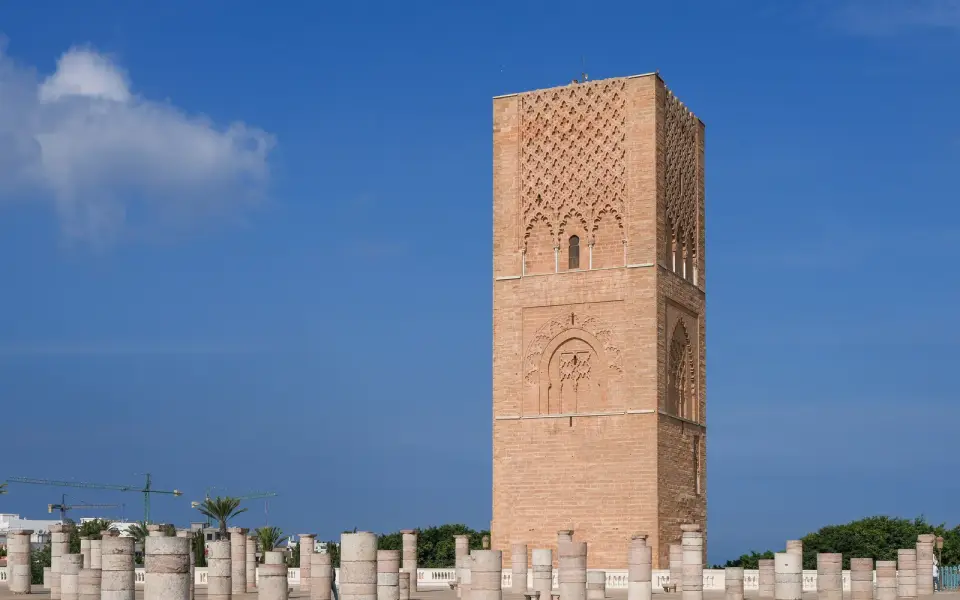
The incomplete minaret of a mosque begun in the 12th century under the Almohad sultan Yacoub al-Mansur. The mosque was never finished, and the site is lined with rows of stone columns.
Mausoleum of Mohammed V
Across from the tower, the 20th-century mausoleum holds the tombs of Mohammed V and Hassan II. Visitors can look in from the gallery.
Chellah
A walled site of Roman ruins and a medieval Marinid necropolis, with storks nesting on the old walls and gardens inside.
The Medina and the Souk el-Ghezel
Local shopping streets and a carpet market. Rabat carpets have a recognised style, with geometric patterns.
Mohammed VI Museum of Modern and Contemporary Art
Moroccan and international art in a purpose-built museum that opened in 2014.
Archaeological Museum
Roman and pre-Islamic finds from sites across Morocco, including bronzes from Volubilis.
Walk along the Bouregreg
A flat riverside walk at the end of the day, with a view to the Kasbah.
Food to try
Fish and seafood
Grilled fish, calamari and fried small fish are on many menus, especially near the water and in the Kasbah.
Tagine and couscous
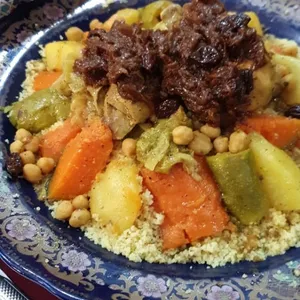
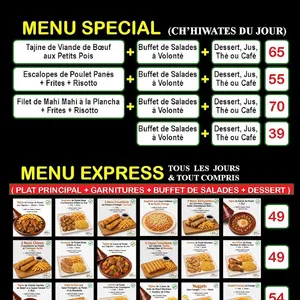
As elsewhere, tagine is served all week and couscous on Fridays.
Mint tea and pastries
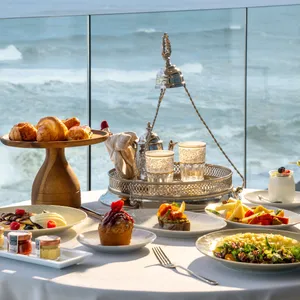
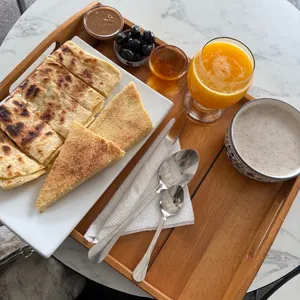
A tea with pastries on the Kasbah terrace is a tradition for visitors and locals alike.
Café culture
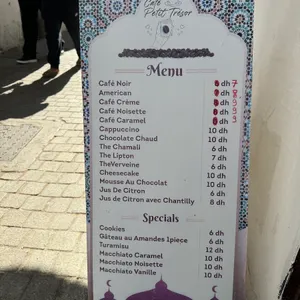
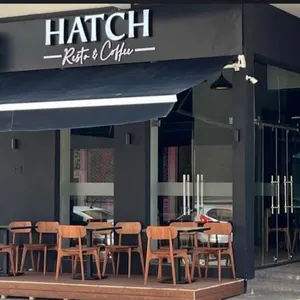
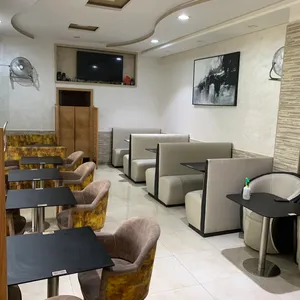
Rabat's wide avenues are lined with cafés where people read papers and watch the street. Order a coffee and stay.
Street food
Look for stalls selling snails, soups in winter, and fresh juices in warm months.
Itinerary
One day
Start at Hassan Tower and the mausoleum, walk to the Kasbah of the Udayas for lunch and the terrace, then take a taxi to Chellah in the late afternoon.
Two days
Add the medina and a museum, either the Mohammed VI museum or the Archaeological Museum. End with a stroll along the Bouregreg.
Three days
Use the third day for Salé across the river, or take a short train to Casablanca for the Hassan II Mosque. Another option is the Atlantic coast beaches north of the city.
Practical tips
Rabat is a government city, and some official buildings are off limits for photographs. Follow any signs and ask security staff if you are unsure.
Chellah and the museums keep their own days and hours, which change. Check before you go, and keep your plan flexible.
Because the city is calm, it is a good place to base yourself for day trips by train, to Casablanca or Meknès, or to visit Salé on foot.