Dieser Reiseführer ist auf Englisch und Französisch geschrieben. Du liest die englische Version.
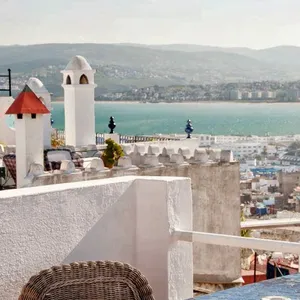
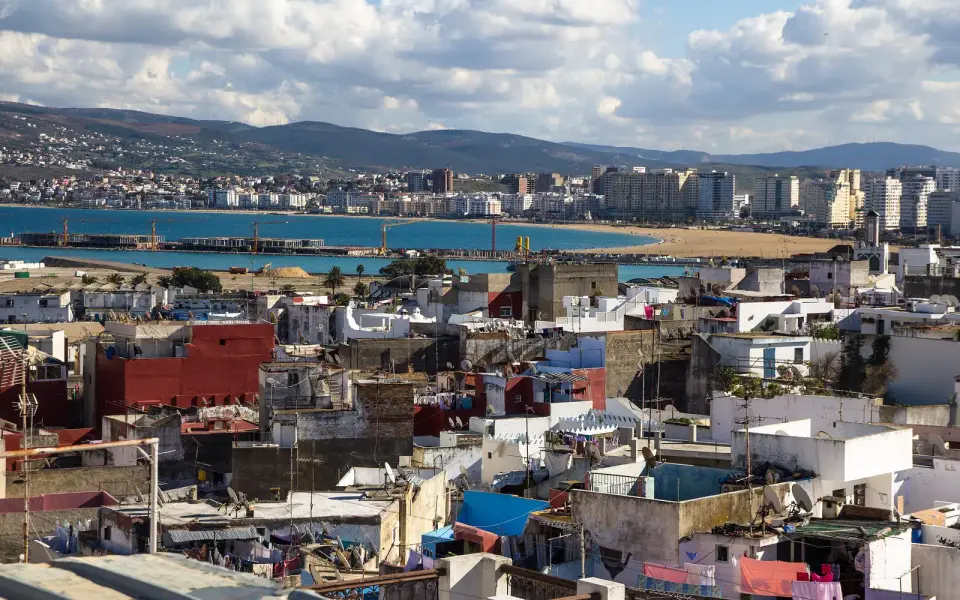
Tangier sits where the Atlantic meets the Mediterranean, at the narrowest point between Africa and Europe. On a clear day you can see Spain from the hills above the city. For centuries that position made it a crossing point for traders, diplomats and exiles, and between 1923 and 1956 it was governed as an international zone.
That history left a mix of influences in the buildings, the food and the streets. Writers and painters, among them Paul Bowles, Tennessee Williams and Henri Matisse, spent time here. Today Tangier is also a fast-changing city, with a large container port at Tanger Med, a high-speed railway to Casablanca and a redeveloped seafront.
Best time to visit
Late spring and early autumn are the most comfortable. Summers are warm, with a breeze off the sea, and the beaches fill with Moroccan families and returning residents in July and August. Winters are cooler and wetter than in the south, with grey days and strong wind on the coast.
The Strait can bring sudden fog or wind. If you plan a ferry crossing, allow flexibility, since services can be delayed by weather.
Getting there and around
Ibn Battouta Airport has flights from European cities. Tanger Ville station is on the line to Rabat and Casablanca, and the high-speed Al Boraq trains cover that route far faster than the older service. Buses and shared taxis connect Tangier with Tétouan, Chefchaouen and Asilah.
Ferries to Spain run from the Tanger Med port, about 40 km east of the city, and there are also crossings from the older port in the city centre. Check which port your ticket uses before you leave.
The medina and Kasbah are walkable, with steep lanes. Petit taxis are the usual way to reach the beaches, Cap Spartel and the Ville Nouvelle.
Neighbourhoods
The Medina and the Kasbah
The old walled city on the hill, split into the lower medina around the Petit Socco and the upper Kasbah near the sultan's palace and the sea.
Grand Socco
The large square where the medina meets the new town, with a market on the edge and the road down to the port.
Ville Nouvelle
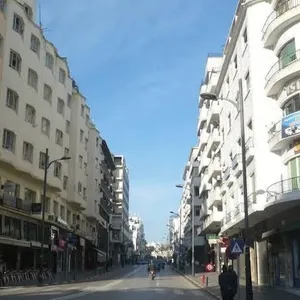
The modern centre, with Boulevard Pasteur, Place de France and the cafés of the early 20th century.
The Marshan and the Mountain
Residential hilltop districts with villas and views of the Strait.
The seafront
A long promenade and bay with the city beach, restaurants and the redeveloped marina.
Malabata
The area east of the city toward Tanger Med, with the lighthouse and coastal road.
Top things to do
The medina and Petit Socco
The small square that was the heart of international Tangier, now mostly cafés. Wander the lanes to the Kasbah gate.
Kasbah Museum
Housed in the former sultan's palace at the top of the Kasbah, with Moroccan art and antiquities.
American Legation Museum
Morocco was among the first countries to recognise the United States, and this building in the medina is the first US public property abroad. It has historical documents and art.
Cap Spartel
The cape west of the city, where the Atlantic meets the Strait, with a lighthouse and beaches.
Caves of Hercules
Sea caves near Cap Spartel, with an opening shaped like a map of Africa.
The Grand Socco and the Kasbah walk
Walk from the Grand Socco through the medina up to the Kasbah viewpoint, a good hour of ups and downs.
Asilah
A whitewashed seaside town about 45 km south, with ramparts and murals. An easy half-day trip.
Chefchaouen
The blue mountain town in the Rif, a few hours inland. See our separate guide.
Food to try
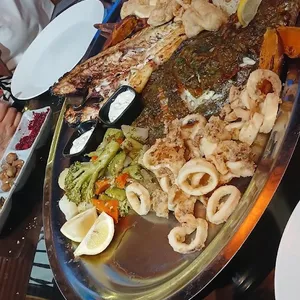
Grilled and fried fish
The port and the seafront serve fresh fish, often sold by weight and grilled to order.
Seafood tagine
A tagine with fish or prawns, tomatoes, peppers and herbs, common along the coast.
Pastilla with fish
A seafood version of the classic pie, found in coastal cities, made with fish or prawns and vermicelli.
Bakeries
Spanish and French influences show in the pastries and breads, along with Moroccan sweets.
Tangerines
The fruit takes its name from the city, though the oranges and clementines in local markets are just as good.
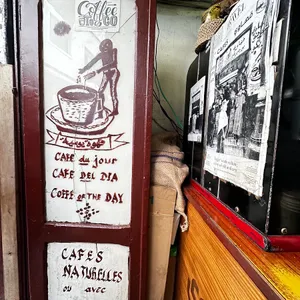
Mint tea in a café
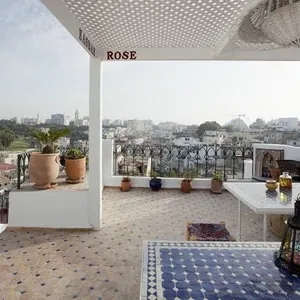
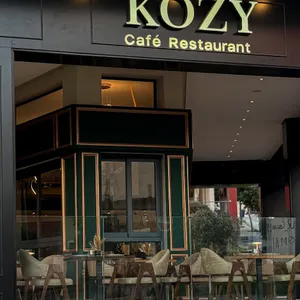
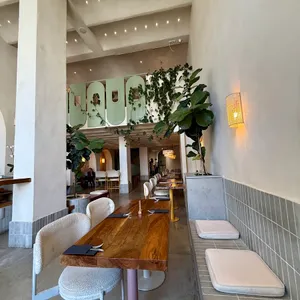
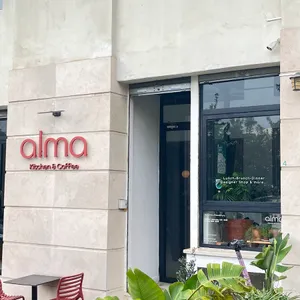
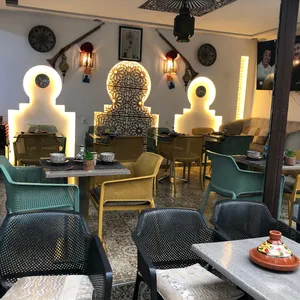
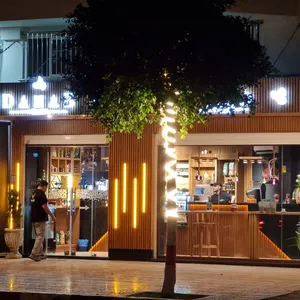
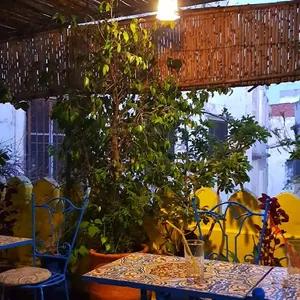
Cafés are part of Tangier's identity, many with terraces facing the Strait.
Itinerary
One day
Morning in the medina and the Kasbah Museum, lunch with fish, an afternoon at Cap Spartel and the Caves of Hercules, and sunset at a café with a view of the Strait.
Two days
Add the American Legation Museum, Ville Nouvelle and an evening along the seafront. Or spend half a day in Asilah.
Three days
Take a day trip to Chefchaouen by bus or shared taxi, or spend a slower day on the beach and in the cafés.
Practical tips
Tangier has a reputation for touts around the port and the railway station. A polite refusal and a steady pace are enough in most cases. Agree on the fare before you get into a taxi, or ask for the meter.
Plan ferry and train tickets ahead during the summer holidays and around religious feasts, when the roads and ports are busy.
The wind can make beach days cooler than expected. Bring a light jacket in the evening, even in summer.